When the rain gets in, we get it out.
Request saved
We've got your information and are on it. Keep your phone handy - we'll be in touch right away.
Or call (844) 543-5757 nowRoof leak, flooded crawl space, basement under water, a pipe that let go in the night. One number reaches a dispatcher who routes a Washington-registered restoration crew to any Seattle neighborhood, the Eastside, Snohomish, Pierce or Kitsap, any hour.
On covered claims the restoration contractor bills your insurer directly and collects no deposit from you.
Dispatch is staffed around the clock, including the 3 a.m. atmospheric-river calls.
Daily moisture readings, logged and sent to your adjuster, until the structure is back to dry standard.
Your deductible applies as your policy requires; no contractor in Washington may waive it. Coverage depends on the cause of the water and on your policy. Groundwater and surface water are normally excluded; see the insurance guides.
Three calls we get every wet week in Seattle
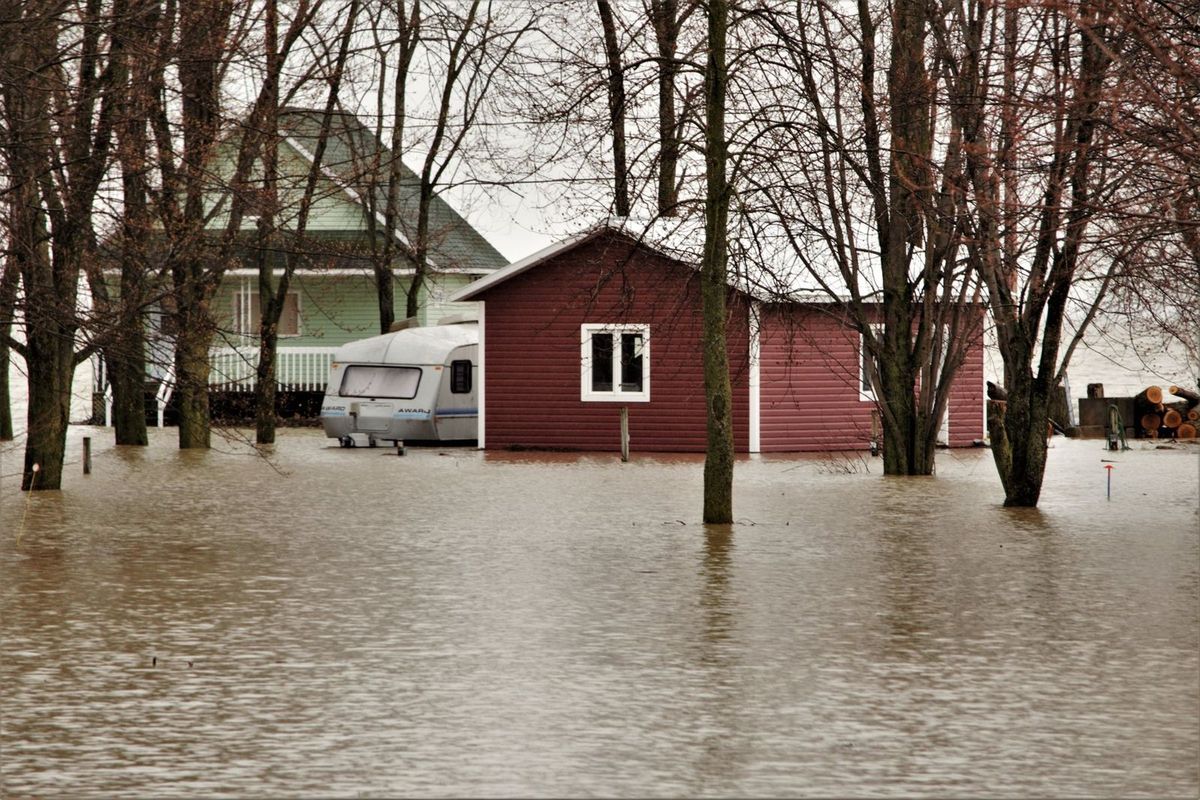
Seattle water damage rarely looks like the movies. It looks like a stain that grew overnight, a smell from under the house, or a basement carpet that squelches. These are the patterns, and what we do about each.
The ceiling stain that appeared during an atmospheric river
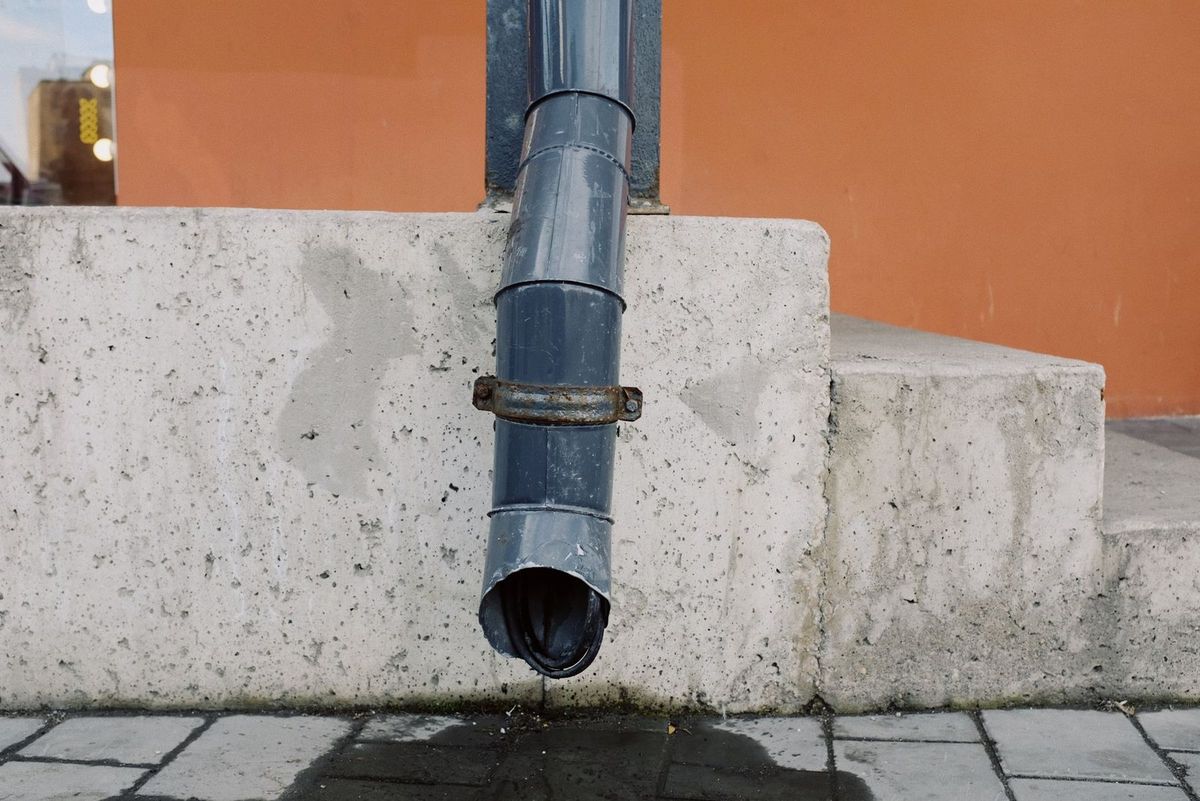
Wind-driven rain finds failed flashing, lifted shingles and clogged gutters. The water tracks along framing and shows up as a ceiling stain two rooms away from the entry point. We tarp if needed, open the ceiling where it is wet, dry the cavity and document the trail for the claim.
Roof & storm leaksThe crawl space with standing water
Most Seattle houses sit on crawl spaces, and glacial till pushes groundwater sideways into them. Left alone, a wet crawl space rots joists and feeds mold into the living space above. We pump, extract, dry the framing, replace soaked vapor barrier and insulation, and tell you plainly what your policy will and will not cover.
Crawl spacesThe pipe that burst while you were at work
A few freezing nights in a row and uninsulated supply lines in garages, crawl spaces and exterior walls split. The thaw comes at noon and the house is flooded by the time you get home. We shut off, extract, pull what cannot be dried and set drying equipment the same day.
Burst pipesEvery way water gets into a Puget Sound home
Eight services, one phone number. The crew that arrives carries extraction, drying and moisture-mapping equipment on the truck, so the job starts on the first visit rather than after an estimate.
Emergency water extraction
Standing water out tonight, drying equipment set before the crew leaves, every step photographed for the claim.
Roof leak & storm damage
Emergency tarping, wet ceilings and walls opened and dried, and the trail of water documented from roof to room.
Crawl space water removal
Pumped out, framing dried, soaked insulation and vapor barrier replaced, and a straight answer on coverage.
Basement flooding & sump pumps
Pump-out and extraction for Seattle's old basements, finished or not, with the coverage picture explained up front.
Burst & frozen pipes
Shutoff guidance on the phone, extraction and drying the same day, and the claim documented from the first photo.
Leak detection & hidden damage
Thermal imaging and moisture mapping to find the water you can smell but cannot see, before it becomes a demolition job.
Mold prevention after a leak
Fast drying to a measured dry standard, antimicrobial treatment and a log that proves it, so a leak does not become a mold problem.
Condo & multi-family
Stacked units, shared walls and three insurers in one loss: dried fast, documented unit by unit, coordinated with the building.
What a water loss looks like, start to finish
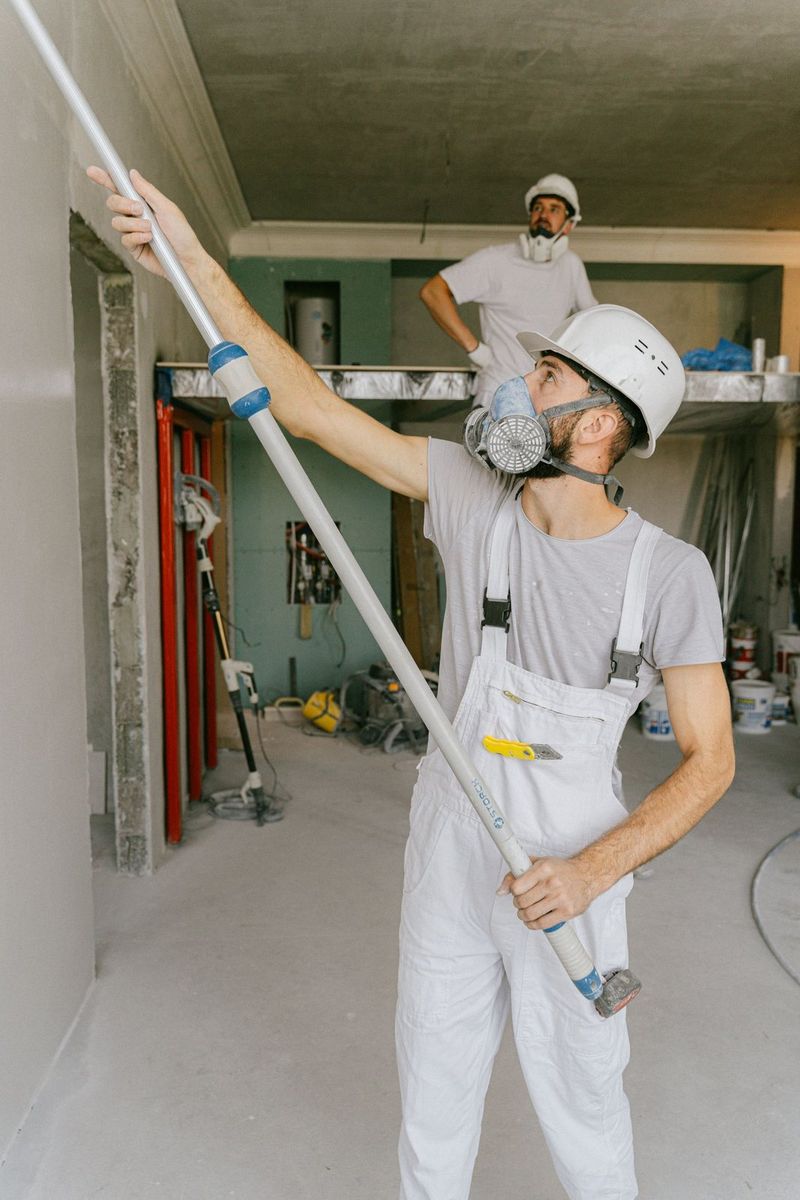
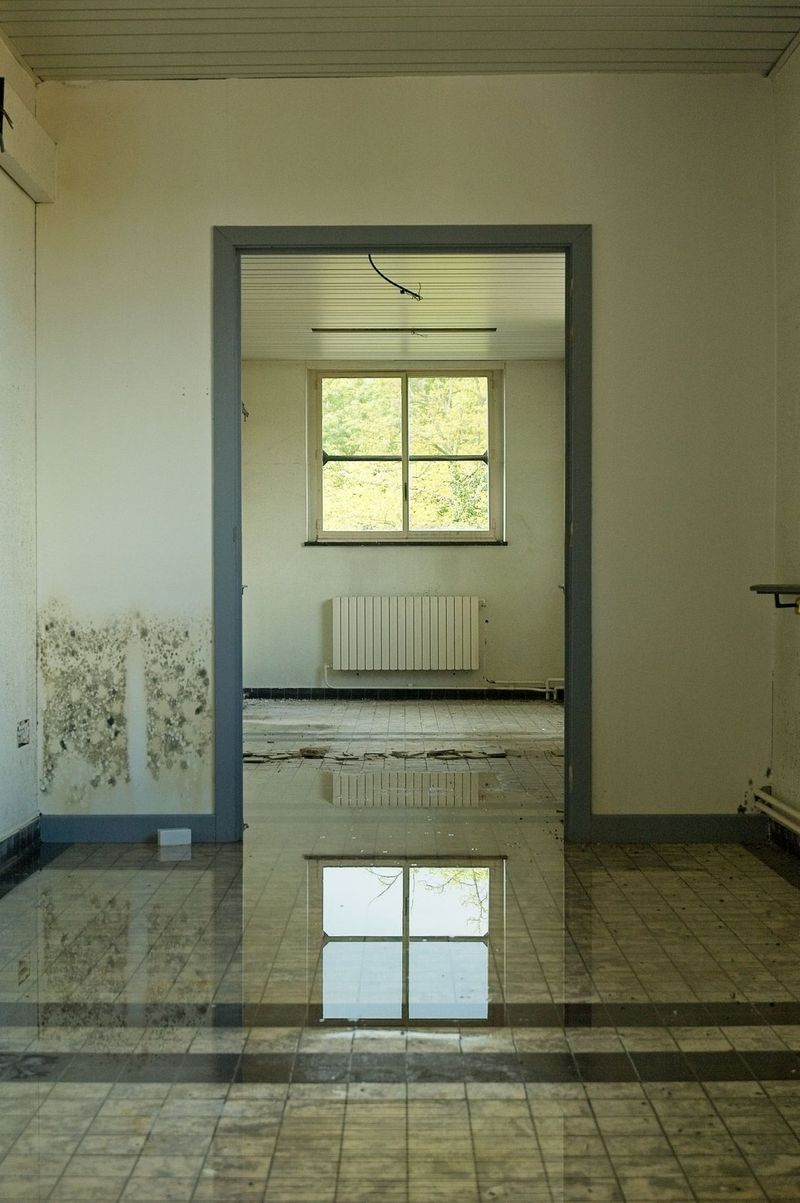
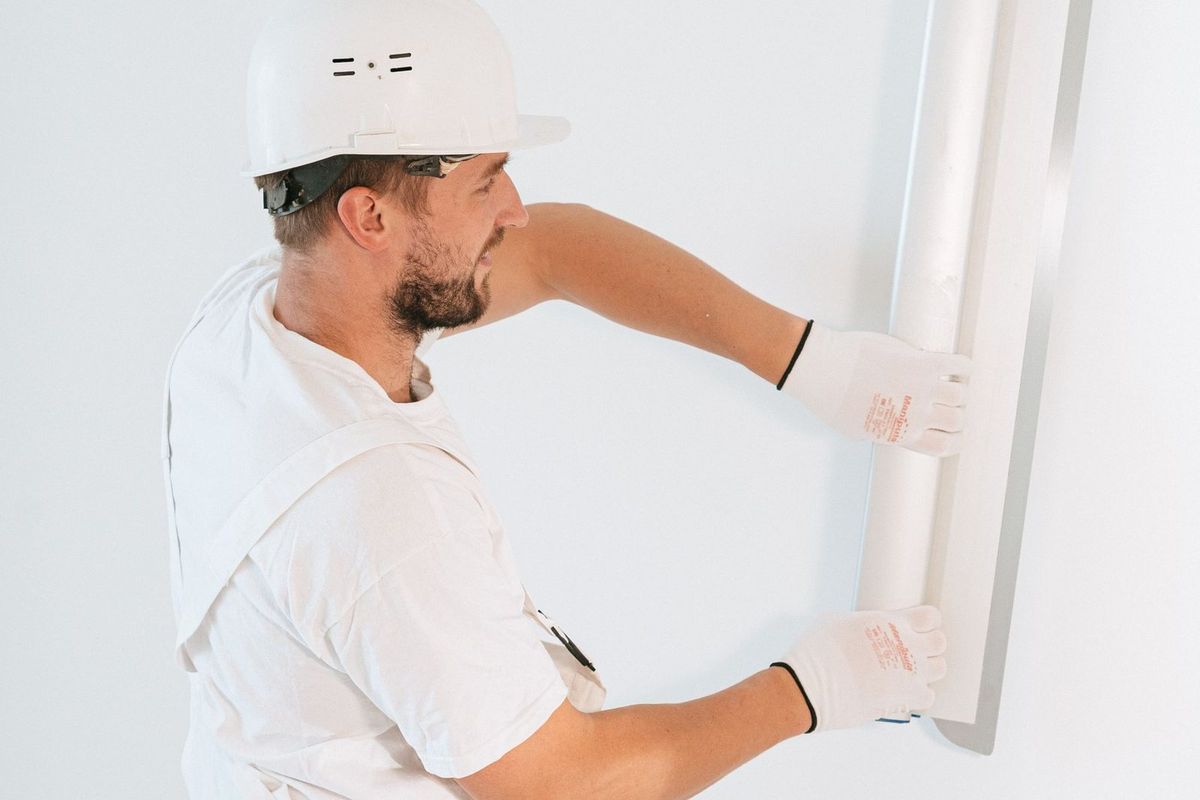
Extraction, drying, moisture mapping and demo of what cannot be saved. This is the work the crew does in the first 72 hours.

From the first call to a verified dry house
Call or text, any hour
A dispatcher takes your address and what you are seeing, tells you what to shut off and what to photograph, and routes the nearest available crew.
MinutesStop the water, protect what is left
Source control first: a shutoff, a tarp, a pump. Then extraction. The crew photographs and meters everything before anything is moved or removed.
Same dayOpen, extract, dry
Wet materials that cannot be dried in place come out and are measured for the estimate. Air movers and dehumidifiers are sized to the room, not guessed at.
Day 1Readings every day
A technician checks moisture content daily against a dry reference and adjusts equipment. You see the numbers; so does your adjuster.
Days 2 to 5Documented and billed to the insurer
Photos, the drying log and an Xactimate estimate go to your adjuster. On covered claims the contractor bills the insurer directly and you pay only your deductible.
ThroughoutA Washington-registered restoration crew, not a call center
Dispatch answers the phone and routes the closest available crew. They arrive with extraction, drying and containment equipment on the truck and document everything for your claim.
- Washington-registered contractor
- Industrial extraction, air movers and dehumidifiers on the truck
- Moisture readings logged for your adjuster
- $0 upfront on covered claims; insurer billed directly
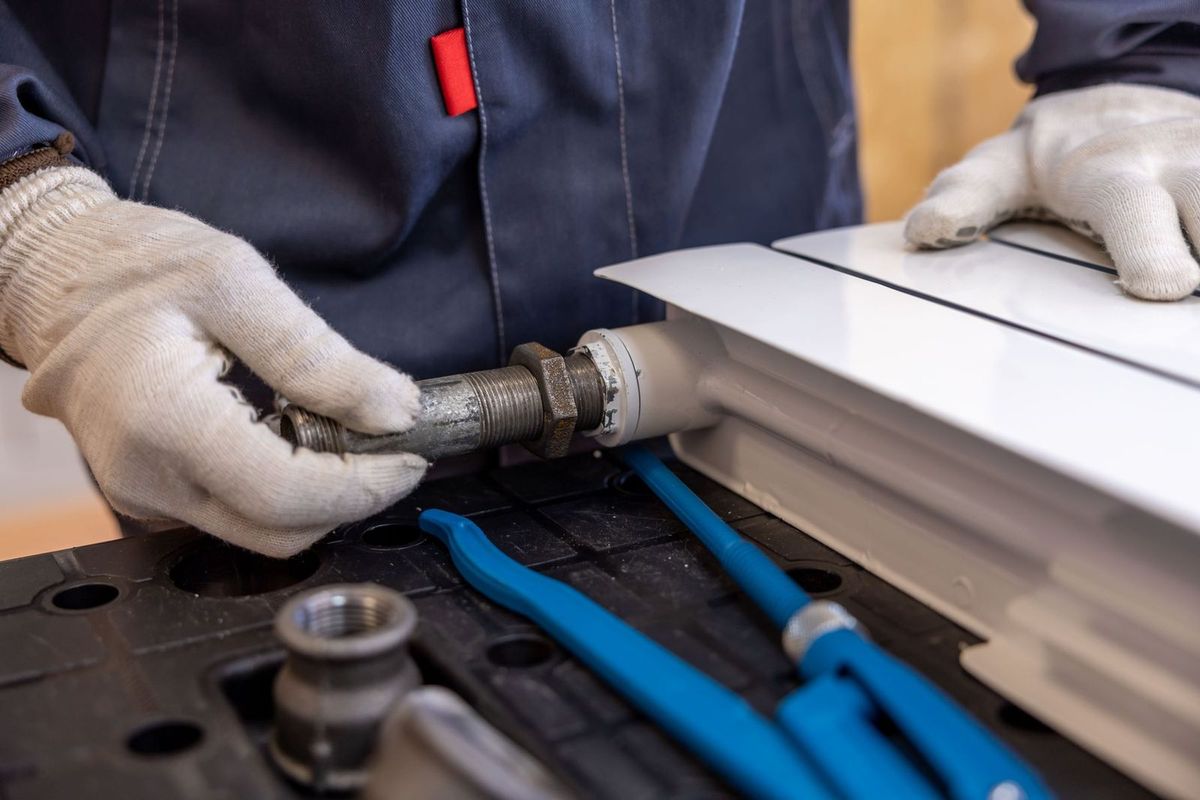
Adjusters approve what is documented. So we document everything.
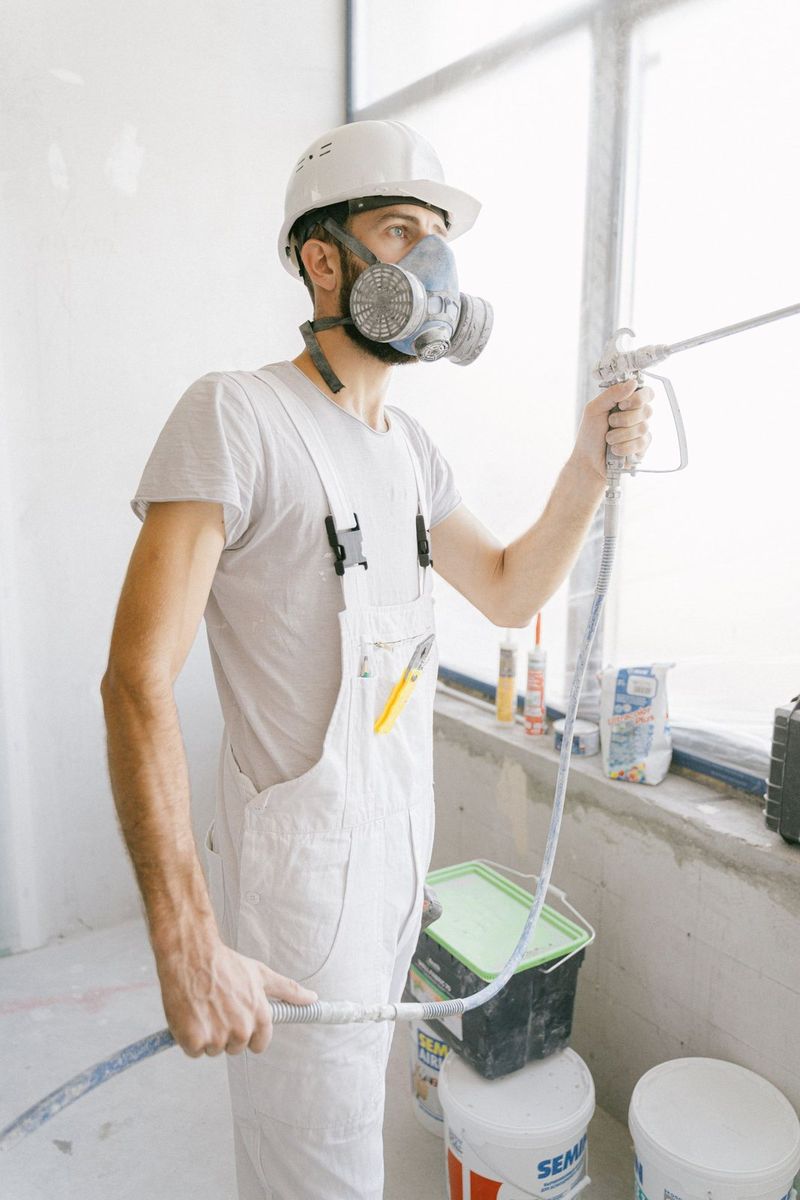
A water claim is won or lost on the file: timestamped photos before demolition, moisture readings in a log, equipment counts by day, and an estimate written in the software your carrier uses.
- Photos and moisture maps from the first hour, before anything is removed
- A daily drying log that shows the structure reaching dry standard
- Estimates in Xactimate, the line-item format carriers expect
- Direct billing to your insurer on covered claims; nothing upfront from you
- Honest guidance when a loss is likely to be excluded, before chargeable work starts
Seattle first, and the whole Sound after it
Crews are dispatched by proximity. Inside Seattle that usually means a few hours; the Eastside, North End and South King County are close behind; Tacoma, Everett and the Kitsap Peninsula take a little longer, and the dispatcher will tell you the realistic window.
- SeattleEvery neighborhood, Ballard to Rainier Beach
- North: Shoreline to EverettShoreline, Edmonds, Lynnwood, Everett
- EastsideBellevue, Kirkland, Redmond, Issaquah
- South King CountyBurien, Renton, Kent, Federal Way
- Tacoma & Pierce CountyTacoma, Puyallup, Lakewood, Gig Harbor
- Kitsap PeninsulaBremerton, Silverdale, Bainbridge, Poulsbo
What you actually get when you call
A dispatcher, not a phone tree
At any hour a person answers, asks the right questions and gets a crew moving while you find the shutoff.
A named, registered contractor
Before anyone arrives you get the restoration contractor's name and Washington L&I registration number, which you can verify yourself.
Numbers instead of promises
Drying is measured. You see moisture readings fall day by day until the house is verifiably dry, not just a fan left in the hallway.
A claim file an adjuster can approve
Every photo, reading and line item is produced in the format carriers work in, which is why covered work gets paid instead of argued about.
Request a callback
Tell us what happened and where. A dispatcher calls you back, usually within minutes.
Call Me Right NowQuestions homeowners ask us
Is it really nothing upfront?
On covered claims, yes. The restoration contractor bills your insurance company directly and does not take a deposit from you. Your deductible still applies to the claim exactly as your policy says, and Washington law forbids any contractor from waiving or absorbing it. If a loss is not covered, which happens most often with groundwater and long-term seepage, you receive a written estimate and decide before any chargeable work begins.
How quickly can a crew get to me?
Dispatch is 24 hours and crews are routed by proximity. Inside Seattle, the Eastside and most of King County that typically means arrival within hours; Snohomish and Pierce are similar outside storm peaks; the Kitsap Peninsula depends on ferries and bridges. During a regional storm every company is busy, and the dispatcher will tell you the honest window rather than a slogan.
Does homeowners insurance cover rain damage in Washington?
It depends on how the rain got in. Water that enters through storm damage to the roof, such as wind-lifted shingles or a branch through the roof, is usually covered along with the interior damage. Water that seeps through foundations, rises as groundwater or flows across the surface is normally excluded, and roof leaks caused by wear and tear are usually excluded too, though the resulting interior damage sometimes is not. The guide on rain damage coverage walks through each case.
What should I do while I wait for the crew?
If a pipe or appliance is involved, shut the water off at the fixture or the main. If water is near outlets or the panel, switch off power to that area at the breaker only if you can do so from a dry spot. Move what you can out of the water, put foil or blocks under furniture legs, and photograph everything before you move it. Do not pull up carpet or cut drywall before it is documented; that record is what your claim rests on.
Who actually shows up?
An independent, Washington-registered restoration contractor serving your area. Rain City Water Damage is a service of Help Me Now Inc; we answer the phone, dispatch and coordinate. You receive the contractor's name and L&I registration number before they arrive, and you can verify it on the Washington Department of Labor & Industries website.
My crawl space is wet every winter. Is that an emergency?
Standing water under the house is worth a same-day call, because it is already damaging framing, insulation and air quality. A chronically damp crawl space is a drainage problem rather than an insurance claim, and we will tell you that honestly, but drying it properly and replacing saturated insulation and vapor barrier is still the right first step before footing drains or a sump are added.
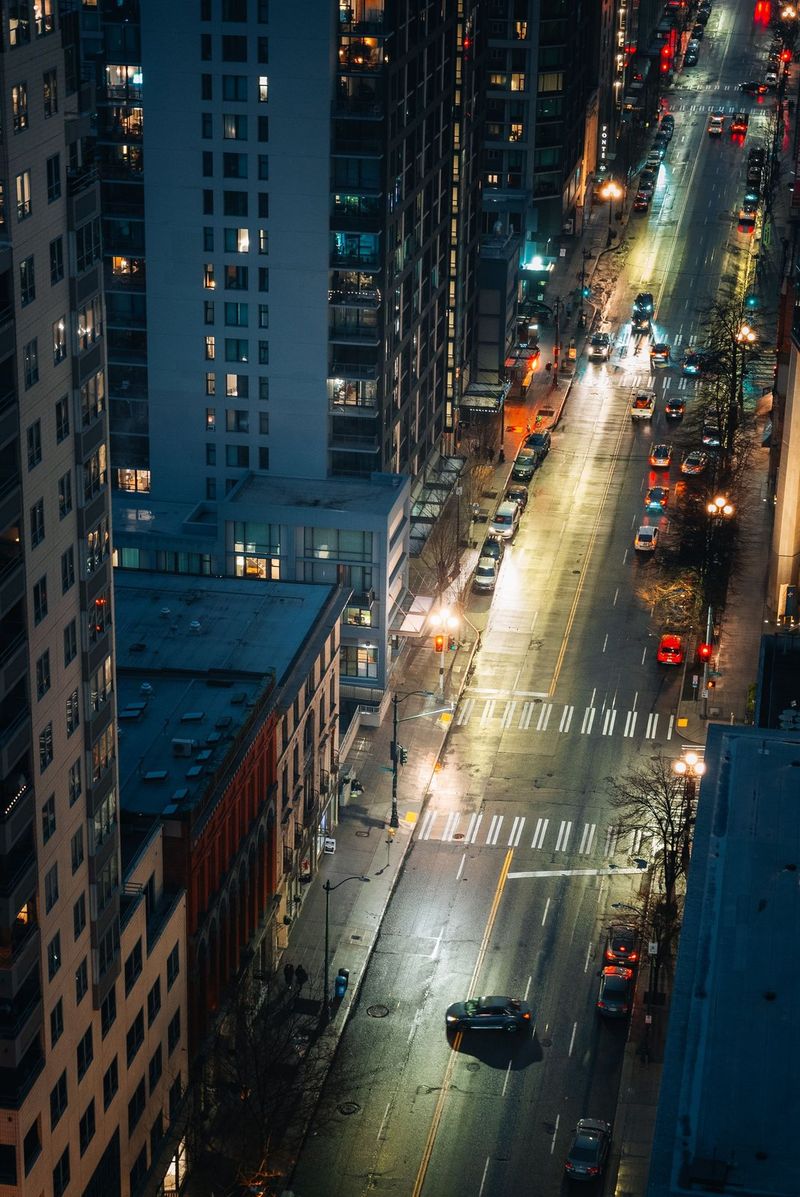
Rain found a way in? Call now.
Lines are open 24 hours a day. One call reaches a Washington-registered restoration contractor serving Seattle and the Puget Sound region. Nothing upfront on covered claims.